

Choosing the right OpenStack distribution is essential to the success of an OpenStack project at every organisation. When selecting one, organisations should always follow certain criteria. Is it possible to operate the considered OpenStack distros economically? How easy is it to deploy them? Can the organisation upgrade its production Op

1st April 2020: Canonical, the publisher of Ubuntu, today announces Managed Apps – enabling enterprises to have their apps deployed and operated by Canonical as a fully managed service. At launch, Canonical will cover ten widely used cloud-native database and LMA (logging, monitoring and alerting) apps on multi-cloud Kubernetes but also o

This is part of a blog series on the impact that 5G and GPUs at the edge will have on the roll out of new AI solutions. You can read the other posts here. Series overview In part 1 we will talk about the industrial applications and benefits that 5G and fast compute at the

In the fast-paced world of IoT, being able to reduce time-to-market is a priority. Rigado’s core mission is to provide scalable and secure infrastructure for their customers’ commercial IoT deployments. It became clear to Rigado that, to achieve the ease of use it was looking for, it needed to redesign its gateway software – and

The Vanilla framework has a history of being released very infrequently. Sometimes it has been months between releases, which made the upgrade process often hard and time-consuming. One of the reasons for that was a manual and a quite time-consuming release process. Over several weeks earlier this year, we’ve been working on various impro

Due to the rapidly developing Coronavirus (COVID-19) situation, the entire web team has transitioned to 100% remote for the foreseeable future. Canonical is well set up to remain productive but brings design challenges such as group sketching which we are testing and evaluating solutions. Here are some of the highlights of our completed w

Smart cards have proliferated and are now everywhere, from work ID badges to credit cards and passports. For example, the United States Federal Government uses smart cards to control access to federal facilities and information systems because they offer an extra layer of security and respond to strict government guidelines. If used in a

Over the past few months, we published a number of articles showing how to snap desktop applications written in different languages – Rust, Java, C/C++, and others. In each one of these zero-to-hero guides, we went through a representative snapcraft.yaml file and highlighted the specific bits and pieces developers need to successfully bui

Newsletter signup

As the number of IoT devices scale, the challenges of provisioning and keeping them up to date in the field increases. Domotz, who manufacture an all-in-one, network monitoring and management device for enterprise IoT networks, found themselves with this challenge that was further compounded by their rapid software release cadence. One of

Canonical today announced full enterprise support for Kubernetes 1.18, with support covering Charmed Kubernetes, MicroK8s and kubeadm. Committed to releasing in tandem with upstream Kubernetes, enterprises can benefit from the latest additions to enhance their day to day operations. “Canonical’s drive is to enable enterprises by giving th
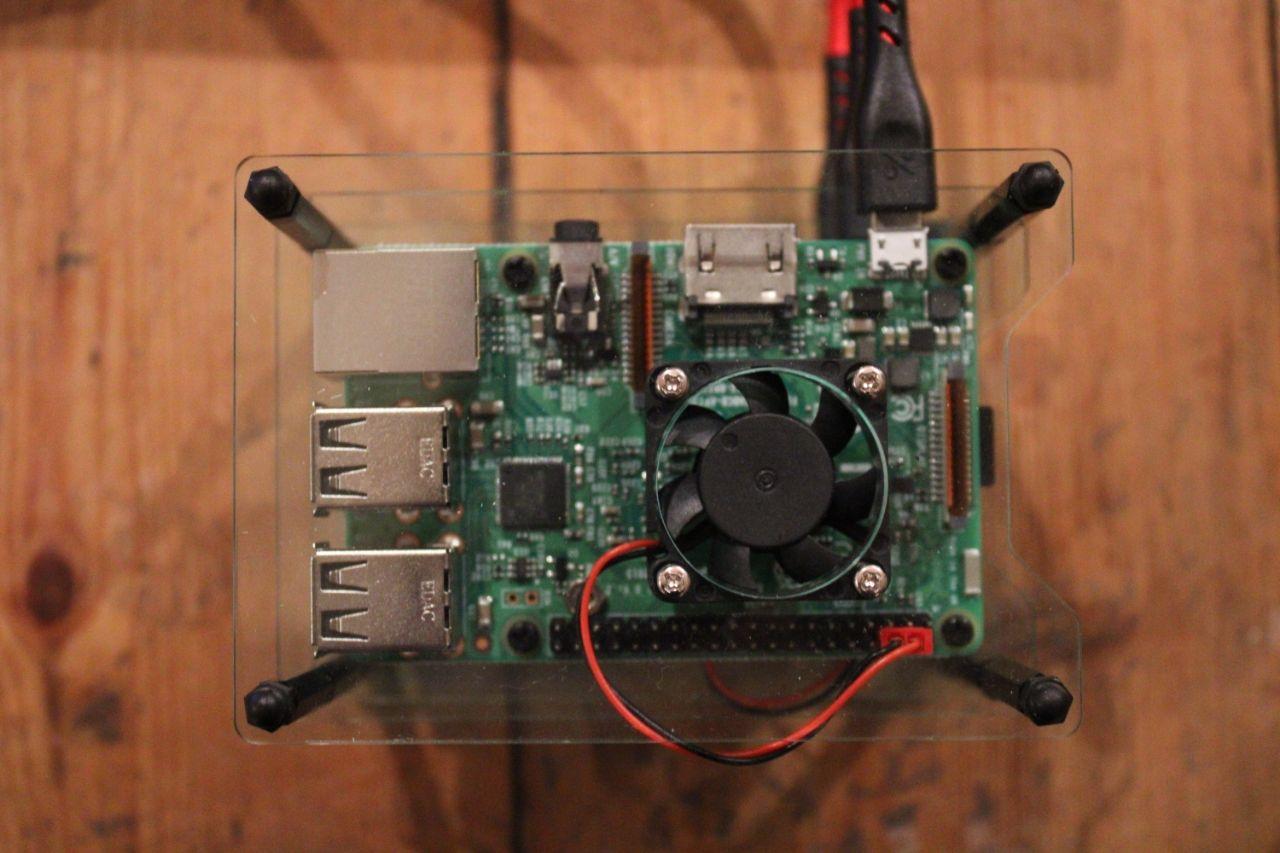
The tutorial for building a Raspberry Pi cluster with MicroK8s is here. This blog is not a tutorial. This blog aims to answer; why? Why would you build a Raspberry Pi cluster with MicroK8s? Here we go a little deeper to understand the hype around Kubernetes, the uses of cluster computing and the capabilities of

(This blog post is part of a 5 part series, titled “How to launch IoT devices”. It will cover the key choices and concerns when turning bright IoT ideas into a product in the market. Sign up to the webinar on how to launch IoT devices to get the full story, all in one place.)

Ceph upstream released the first stable version of ‘Octopus’ today, and you can test it easily on Ubuntu with automatic upgrades to the final GA release. This version adds significant multi-site replication capabilities, important for large-scale redundancy and disaster recovery. Ceph v15.2.0 Octopus packages are built for Ubuntu 18.04 LT

SUMMARY Canonical’s fully managed OpenStack, Kubernetes, Kafka, Elastic, Postgres and other open source stacks, are operating at full SLA. Ubuntu and broader open source support services are unaffected and our teams have adjusted schedules to allow for colleagues to be out sick while maintaining full coverage in the months to come. Secur

Sometimes, software projects are simple – one architecture, one version, one release. But often, they can be complex, targeting multiple platforms, and with different versions at that. If you are packaging your apps as snaps, you might wonder about the optimal way to accommodate a multi-dimensional release matrix. One yaml to rule them al
The latest release of Kubernetes is now available for download and experimentation, with the MicroK8s Kubernetes 1.18 release candidate. The easiest, fastest way to get the latest Kubernetes is to install MicroK8s on your machine. Just run: sudo snap install microk8s –channel=1.18/candidate –classic Or from snapcraft.io: https://snapcraft
Ubuntu tech blog
Deep dives for developers
Visit the Ubuntu Tech Blog for deep dives into product features, step-by-step tutorials, and the latest updates from Canonical's engineering teams.